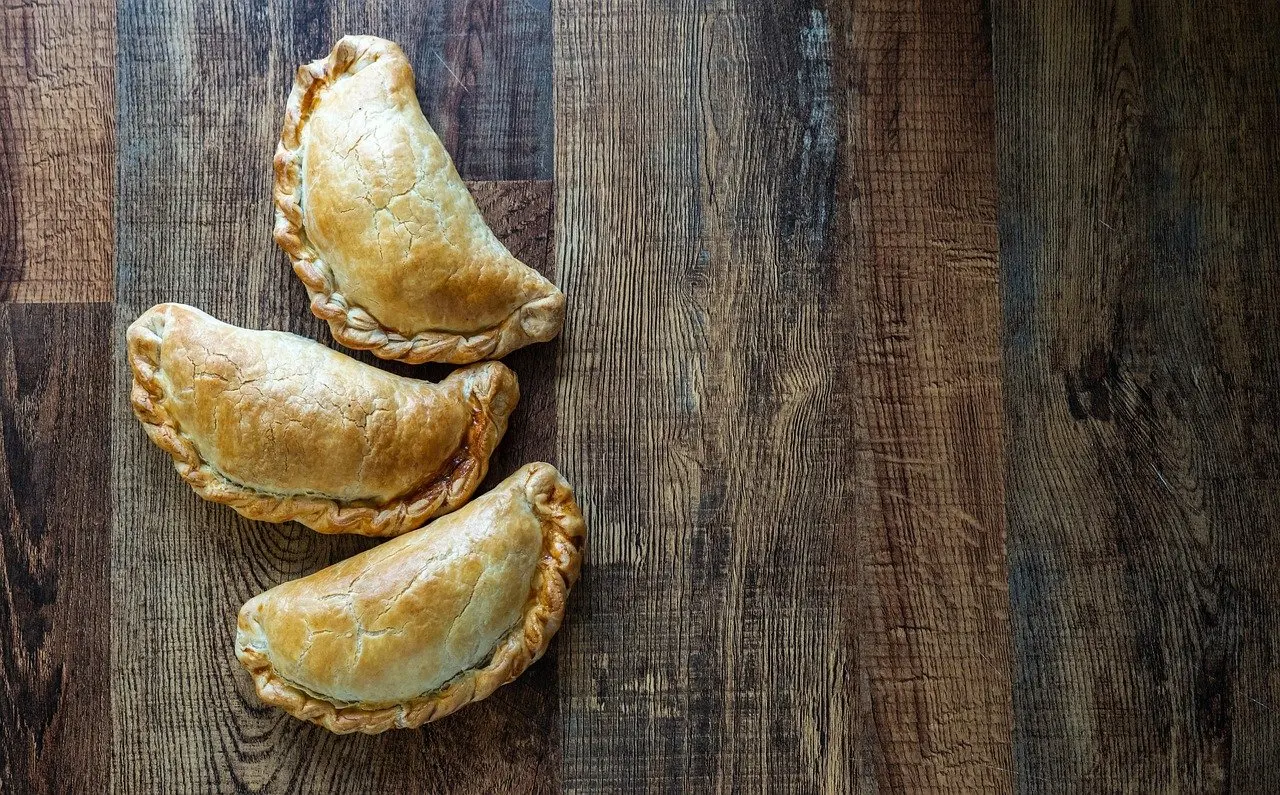
A pasty crimped across the top and packed with carrots may taste good, but it is not a traditional Cornish pasty. The real thing is D-shaped, crimped along the side, filled with beef, swede, potato and onion, and made in Cornwall.
The pasty is one of the best-known examples of traditional Cornish food, and its name carries legal weight. The sections below test the most common assumptions against the protected specification and the Cornish Pasty Association’s own method.
The PGI and where a pasty must be made
The Cornish pasty holds Protected Geographical Indication (PGI) status under UK law. The protection was earned in 2011 after a long campaign led by the Cornish Pasty Association. A PGI is not a recipe anyone can follow anywhere and then label as they like. To use the name, a pasty must meet the registered specification, including being made in Cornwall.
That makes the geographic rule the first thing to check. A pasty baked in another county can follow the same method, but it cannot be sold as a Cornish pasty. The specification covers the place of making, the filling and the shape, and the next sections take those in turn.
Common assumptions against the specification
Most confusion comes from treating “pasty” as a loose word for any pastry parcel. The table sets the usual assumptions beside what the protected specification says.
| Common assumption | What the specification says | What to check |
|---|---|---|
| Any filling works if the pastry is right | A chunky filling of diced or minced beef, swede, potato and onion, seasoned with salt and pepper. At least 12.5% beef and 25% vegetables in the whole pasty, with no other meat or vegetables allowed. | Read the filling description before buying or baking. |
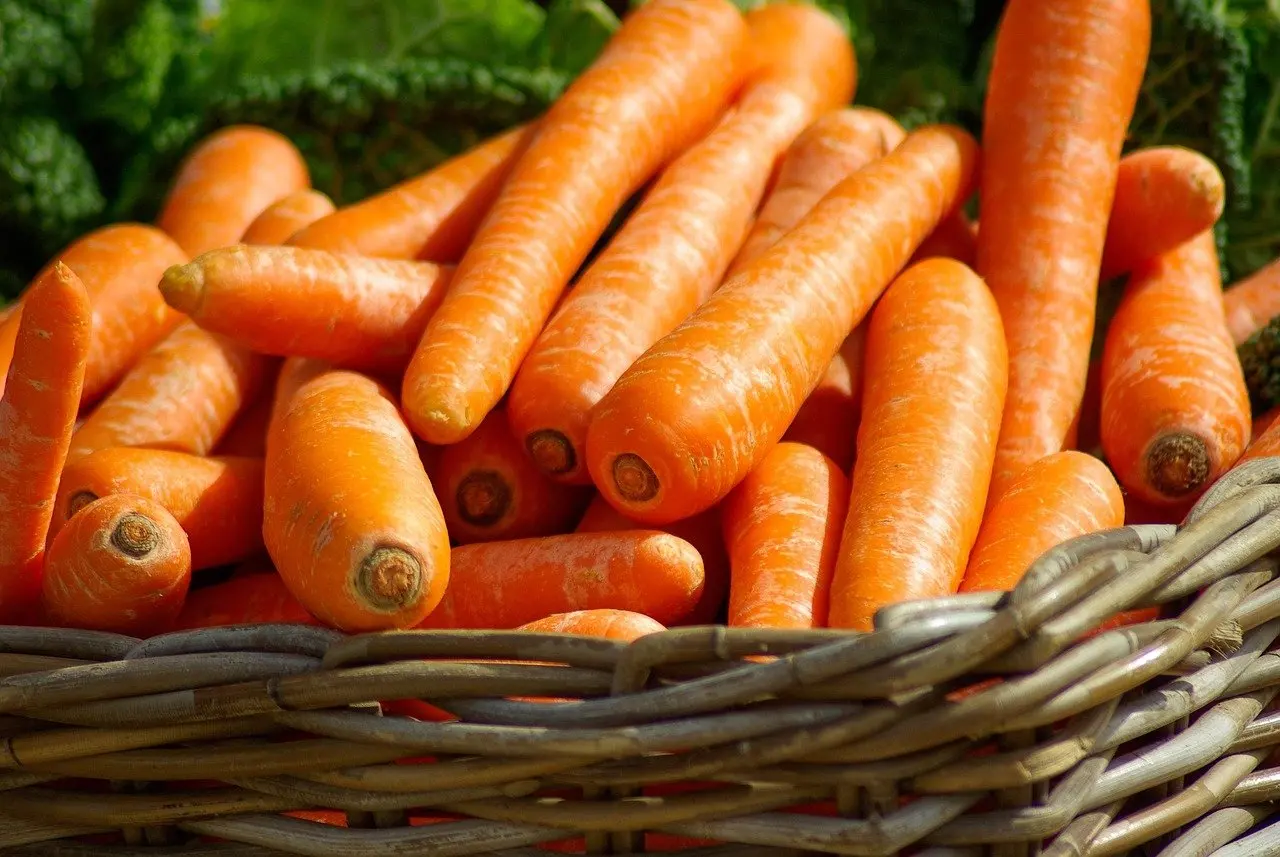
| Carrots are standard | Carrots are not part of the protected traditional filling. | A pasty with carrot is a different pasty, whatever its quality. |
| The crimp can run across the top | D shape, crimped on one side, never on top. | Look for the seam along the curved side. |
| The filling is cooked first | The ingredients go into the pastry uncooked and bake together. | This is why the choice of beef cut matters. |
| A Cornish recipe is enough | The pasty must be made in Cornwall to use the name. | The place of making decides the name, not the recipe. |
The figures and rules follow a published summary of the protected specification and a guide to its filling and shape.
Carrots are the most frequent point of disagreement, because they feature in so many pies and stews. The specification excludes them, so a carrot-filled pasty is best described as a pasty in the general sense and not as a traditional Cornish pasty.
The filling: beef skirt, swede, potato and onion
The Cornish Pasty Association states that beef skirt is the cut traditionally used for Cornish pasties. Each part of the filling has a reason and a common mistake attached.
- Beef skirt. The Association notes that skirt has no gristle and little fat, and cooks in the same amount of time as the raw vegetables. Its juice makes the gravy. Because the filling goes in raw, a cut that finishes cooking alongside the vegetables suits the method better than one that needs separate cooking.
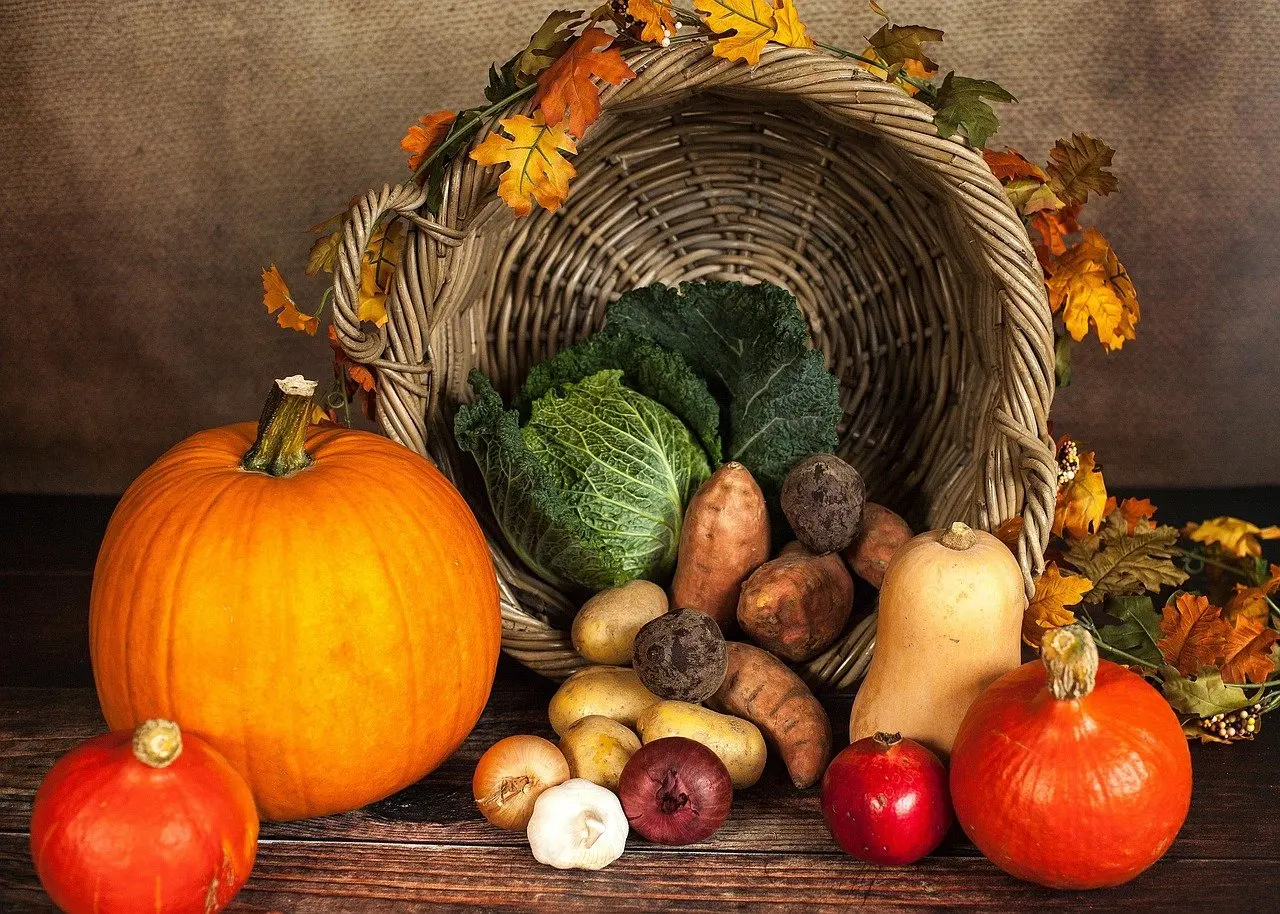
- Swede. The vegetable to use is the yellow-fleshed swede, not a white turnip. Swapping in turnip changes both flavour and colour.
- Potato. The Association recommends a firm waxy potato such as Maris Peer or Wilja.
- Onion. Onion completes the protected list of beef, swede and potato, and the filling is seasoned with salt and pepper.
- Proportions. The specification sets minimums, at least 12.5% beef and 25% vegetables in the whole pasty. A minimum is a floor for a compliant pasty, not an instruction to stop there.
For anyone checking a pasty by eye, the cut-open filling is the quickest test. It should show chunky pieces of beef with potato, swede and onion, and nothing else.
Shape and crimp
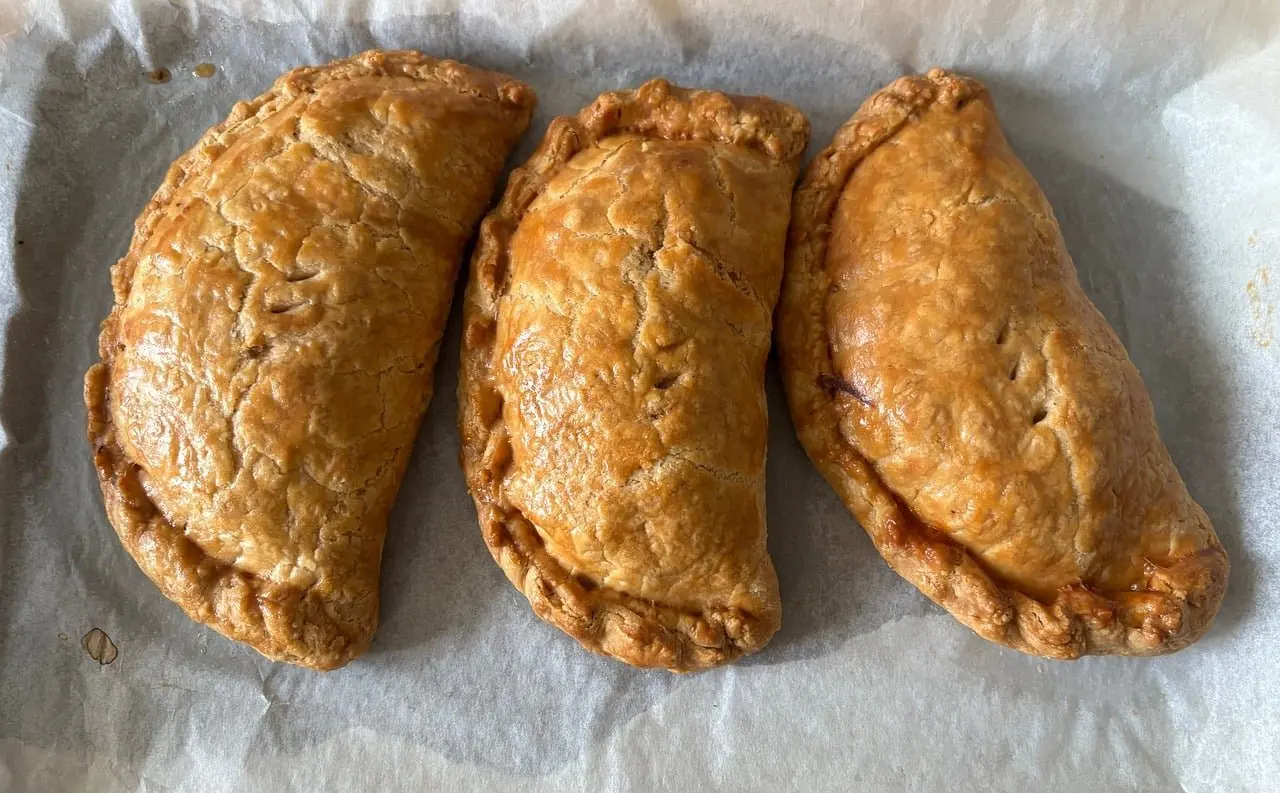
A traditional Cornish pasty has a distinctive D shape, crimped on one side, never on top. The crimp is both the seal and the signature. The side seam is also the quickest visual way to tell a Cornish-style pasty from a pasty with a ridge across the top.
The Association’s home method starts with a small step that is easy to skip. Lightly brush the edge of the pastry with water, then fold and twist the edge into the crimp. The water helps the edges stick, so the seam holds while the raw filling cooks.
Craft custom adds a benchmark. Traditionally, a minimum of twenty crimps by hand is considered the mark of a proper pasty maker. Treat that as a guide to the skill involved, not as a checkpoint to count when buying.
Pastry, baking and the home method
The Association publishes a method for making a genuine pasty at home. Its pastry uses 500 g strong bread flour for 6 pasties. The dough is covered with cling film and left to rest for 3 hours in the fridge before shaping, so plan the pastry well ahead of the bake.
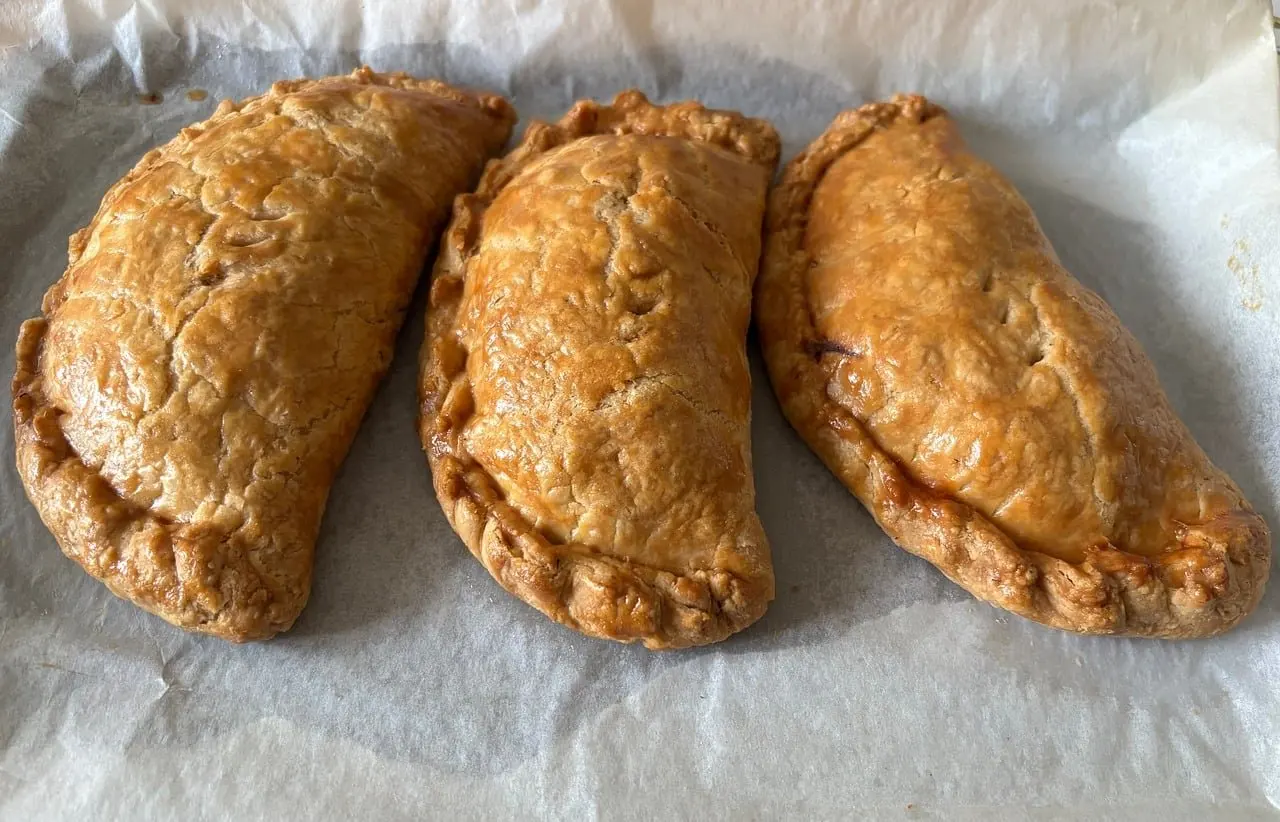
The pasty then bakes at 165 degrees C in a fan oven for about 50 to 55 minutes, until golden. The long, moderate bake matters because the beef and vegetables go in raw. They cook together inside the pastry, and the skirt’s juice becomes the gravy. Pulling the pasty early for colour risks an undercooked centre, so judge it by golden pastry and the full time given.
Why the pasty exists, and what is disputed
The usual story begins with mining. Miners working long shifts underground could not simply pop home for lunch, so a sealed parcel of meat and vegetables made sense as a portable meal. The Cornish Pasty Association notes that some dispute the popular story that miners held the pasty by its crust, so that tale is better treated as folklore than settled history.
The pasty’s exact birthplace is also genuinely disputed by food historians. The legal position does not depend on that debate. Today the name is tied to Cornwall as the place of making and to the registered specification.
Choosing a pasty and what to try alongside it
The protection settles where a pasty is made and what it contains. It does not rank bakeries, so a comparison of places to buy is a separate decision, covered in the guide to the best cornish pasty cornwall best cornish pasty cornwall choices by the coast. For something sweeter after a pasty, the guide to cornish ice cream covers the local alternative.
Frequently asked questions
| Question | Answer |
|---|---|
| Do the ingredients have to be grown in Cornwall? | No. The protection concerns where the pasty is made and whether it follows the registered specification, not where the ingredients came from. |
| What is swede called in North America? | Rutabaga. The Cornish Pasty Association describes the correct vegetable as yellow-fleshed swede, which North American cooks will know by that name. |
| Are pasties still crimped by hand? | Yes, in most bakeries. Crimping is still carried out by hand in the vast majority of pasty bakeries. |
| What is the Cornish Pasty Association? | It is a Community Interest Company registered in England and Wales. It led the campaign that won the pasty its legal protection. |